
The Bill Lane Center for the American West, Stanford University

2009 Winner of the Risser Prize for Western Environmental Journalism

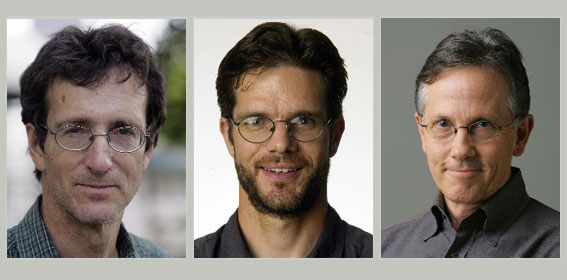
Hal Bernton, Justin Mayo and Steve Ringman
The Seattle Times
Digital mapping tools help the Times’ team dig deeper and add visual clarity to an investigation exposing the link between logging permit practices in Washington and a storm’s extraordinary devastation. A picture alerted them to the connection. Data maps, such as slope steepness and high-risk zones, helped them graphically represent it. The reporters discovered that many of the steepest, highest-landslide-risk areas of the Upper Chehalis River Basin had been allowed to be clear-cut. When the storm hit, this vulnerable slopes gushed mud, debris and timber that buried farms and homes, clogged water systems and drowned herds of cattle.
- View the series at SeattleTimes.com
- 2010 Risser Prize Symposium: Visualizing the Environment
Special Recognition:
“Hidden Wells, Dirty Water”
Leah Beth Ward, Yakima Herald-Republic
The series showed that as many as 30,000 residents of the Lower Yakima Valley, most of them Latino farm workers, had been drinking well water contaminated by nitrates - a situation that developed after years of benign neglect by government agencies responsible for public health. One judge said the reporting "alerted communities across the state to the nitrate pollution that appeared in their water supplies through gaps in government oversight and has given a moving portrait of the citizens who are suffering the consequences."
Special Recognition:
“A Toxic Tale (part of the Dirty Oil series)”
Erik Denison, Canadian Broadcasting Corporation National Radio
Denison's story culminated two years of reporting on how companies mining Alberta's tar sands for oil have been creating lakes of toxic black sludge, causing the deaths of thousands of ducks and raising fears of higher cancer rates. One judge said Denison's reporting "showed great persistence in documenting the myriad troubling consequences of one of the globe's most spectacular and potentially dangerous environmental nightmares. His reporting helped put the tar sands/toxics story on the international map."
- View the series at CBC.ca
“Digital mapping tools help the Times’ team dig deeper and add visual clarity to an investigation exposing the link between logging permit practices in Washington and a storm’s extraordinary devastation.”
Texas Tribune, ProPublica

The Desert Sun and USA Today
CPI, InsideClimate News, The Weather Channel
The Seattle Times
The Sacramento Bee
High Country News
5280 Magazine
Seattle Post-Intelligencer
What Went Wrong?
The Seattle Times
San Antonio Express-News
The Los Angeles Times
High Country News

For more information: knightrisserprize@lists.stanford.edu
